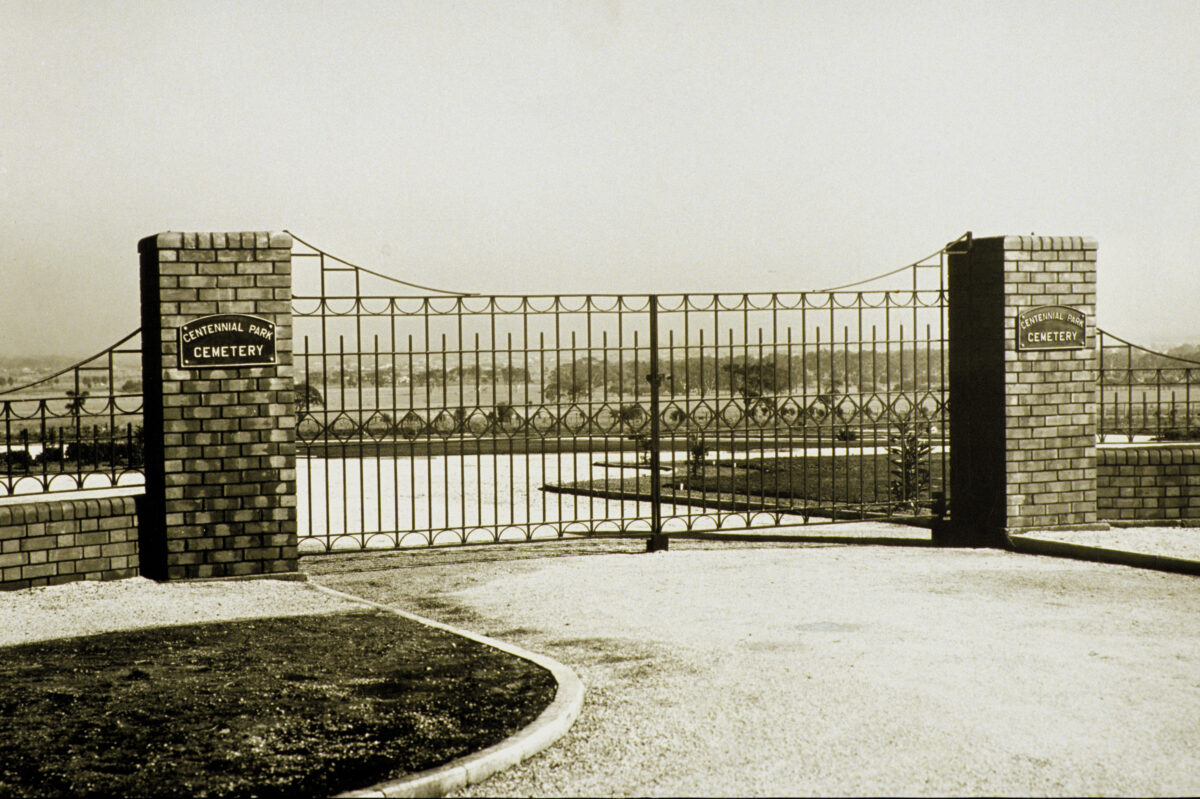
A legacy of care and innovation since 1936
Established in 1936, Centennial Park has a long and proud history serving the community of South Australia. The development that has occurred within Centennial Park has been deemed visionary and we are proudly recognised as a leading world authority in cemetery management practices.
Establishment & Early Years (1930s–1950s)
1934
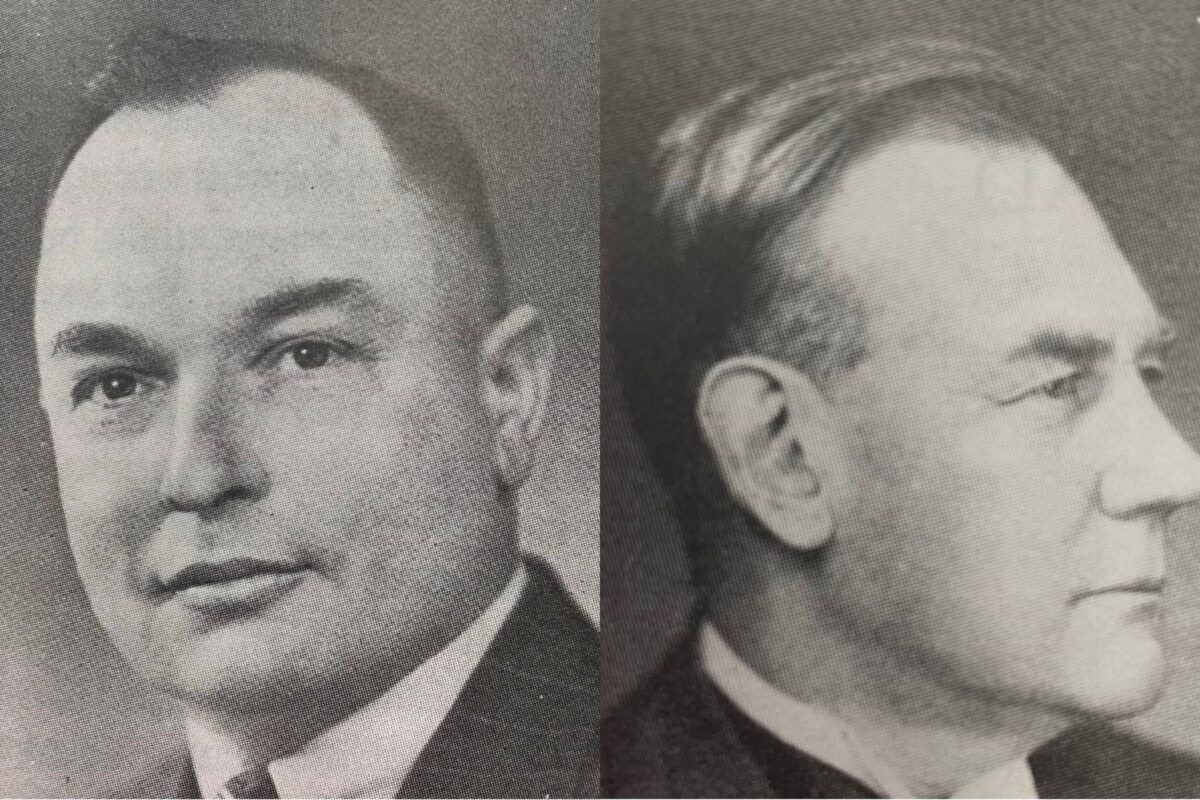
Mitcham and Unley councils begin discussions for a new southern cemetery to mark South Australia’s centenary, leading to the concept of Centennial Park. Pictured: Mayor of Unley, Sir John (Jack) McLeay and Mayor of Mitcham, W.A. (Bill) Norman.
1936
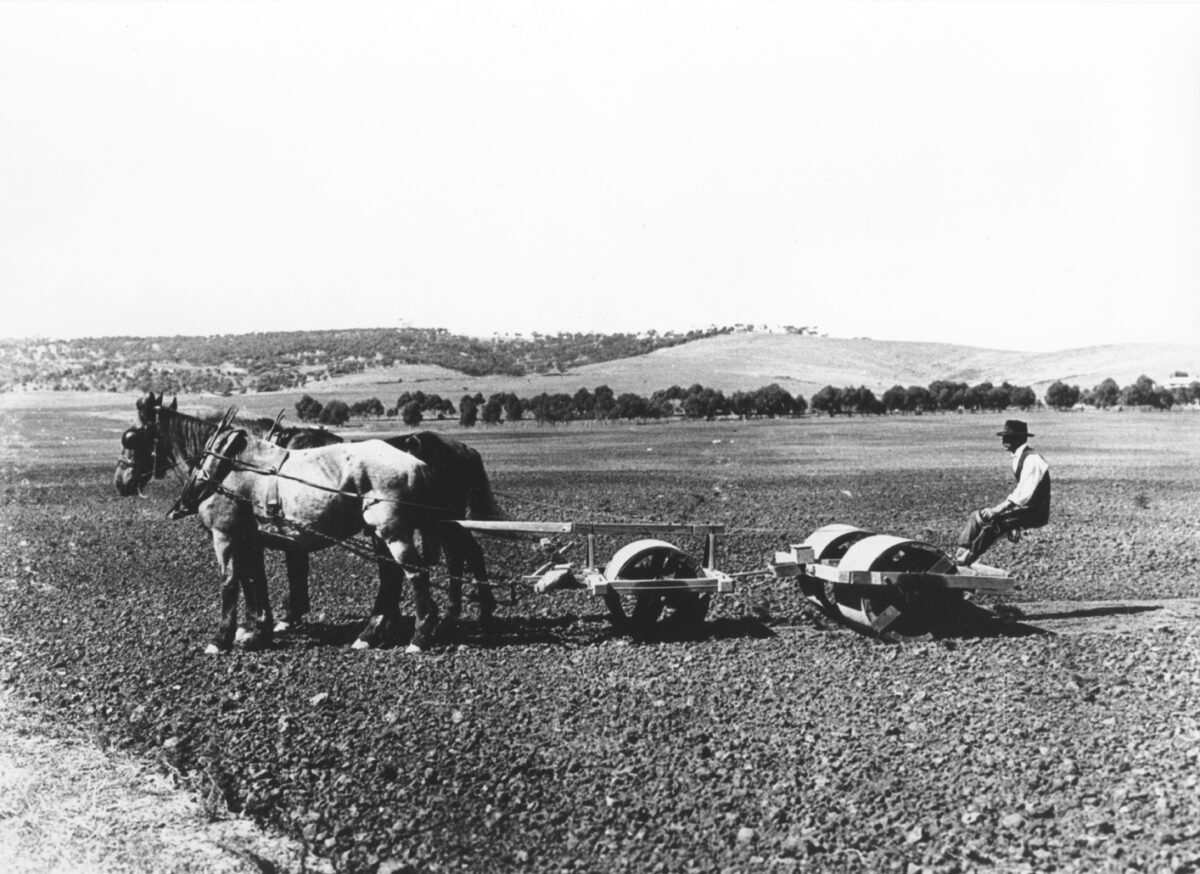
Centennial Park Cemetery is formally established at the most suitable location Goodwood Road, Springbank. The first trustee meeting is held on 31 July, an area of land is purchased for £4,000 and development begins.
1938
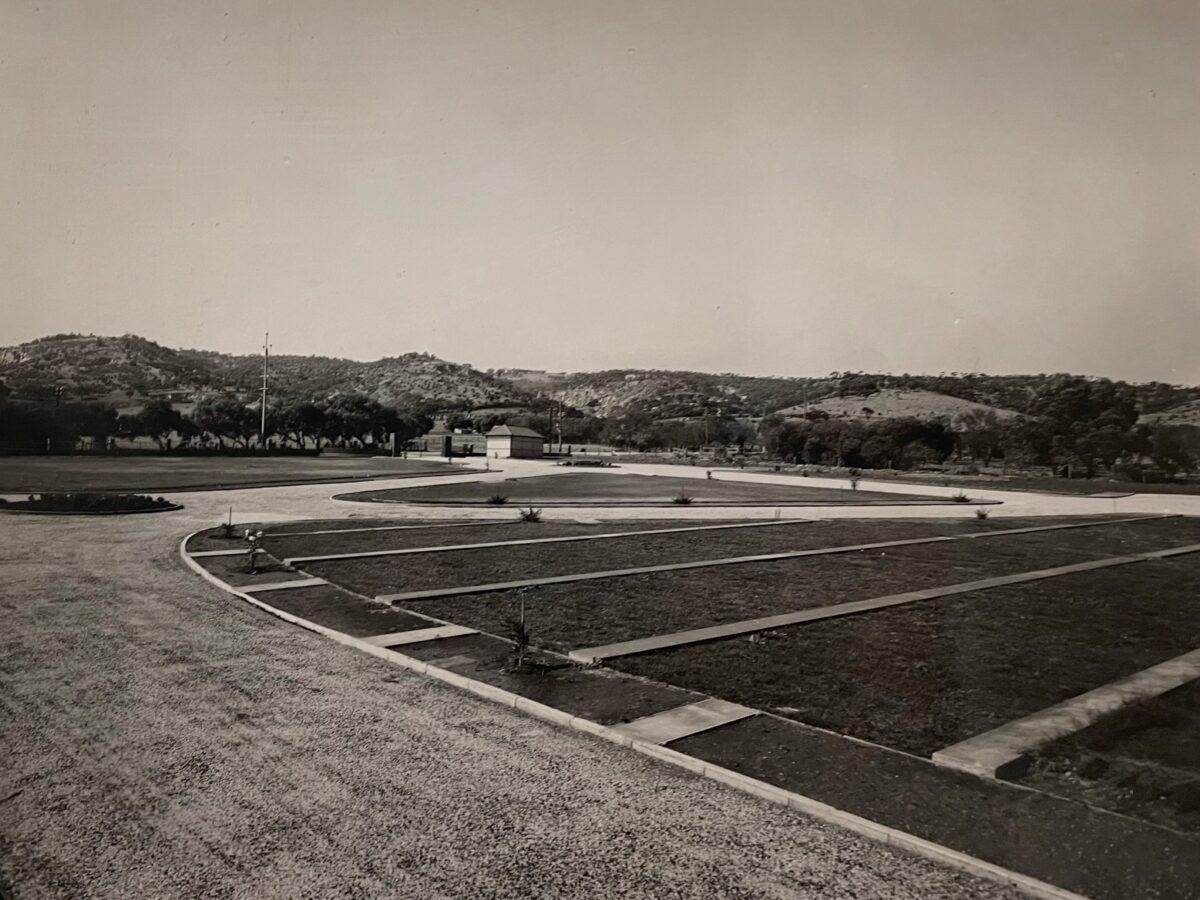
Centennial Park officially opens on 30 April. Edith Pope becomes the first burial a month later. By year’s end, 34 burials have taken place.
1942
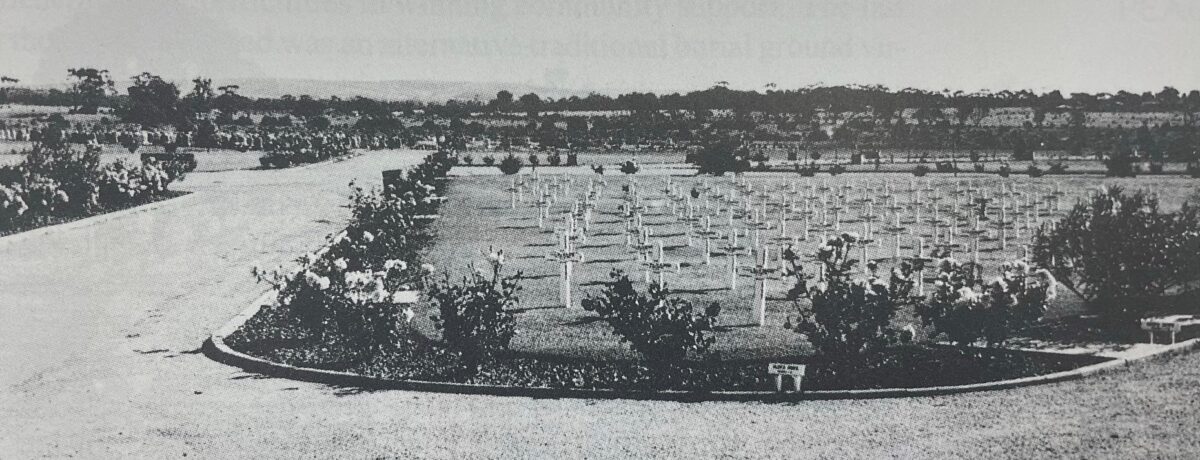
A dedicated military area is set aside for those who died from war‑related injuries at the nearby military hospital. They were initially marked with simple timber crosses.
1947
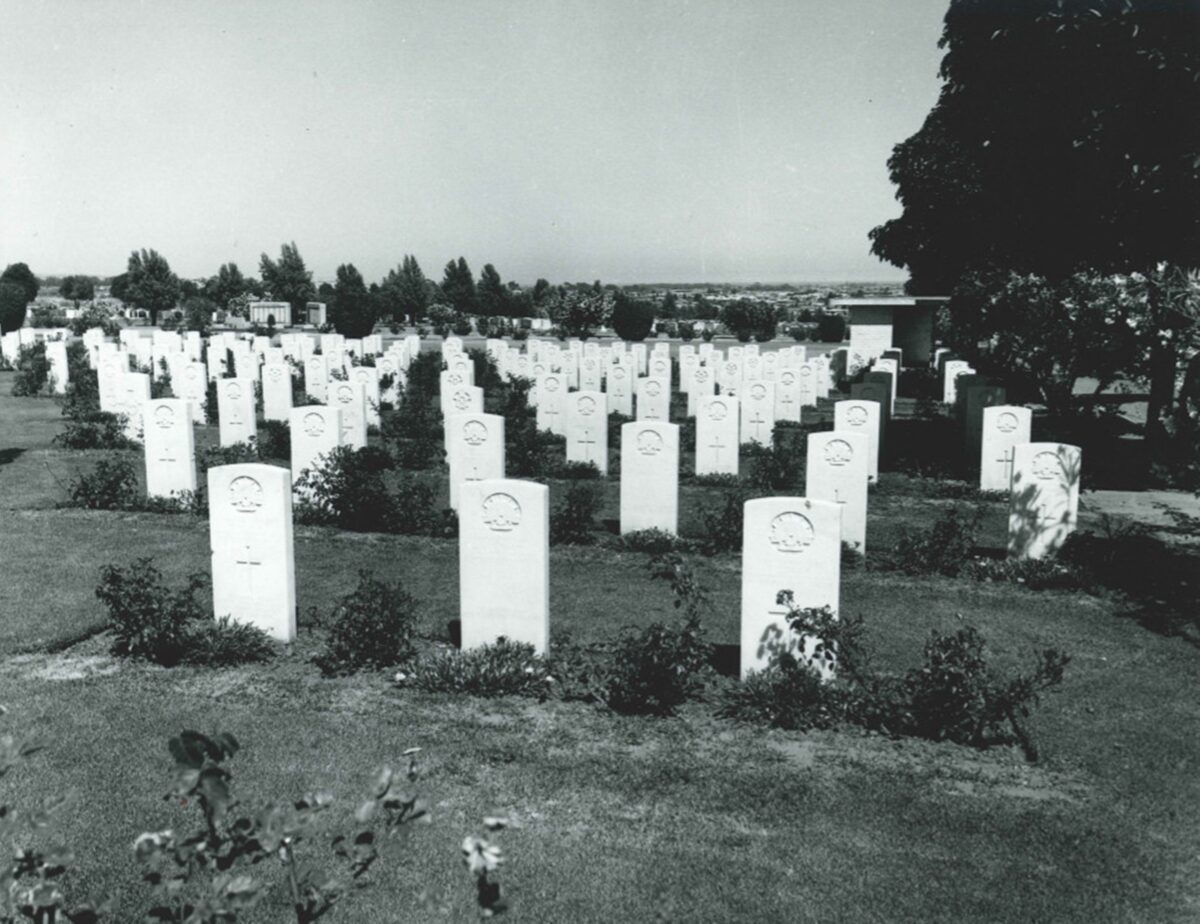
The Commonwealth War Graves Commission assumes management of the military graves and installs white marble headstones.
1948
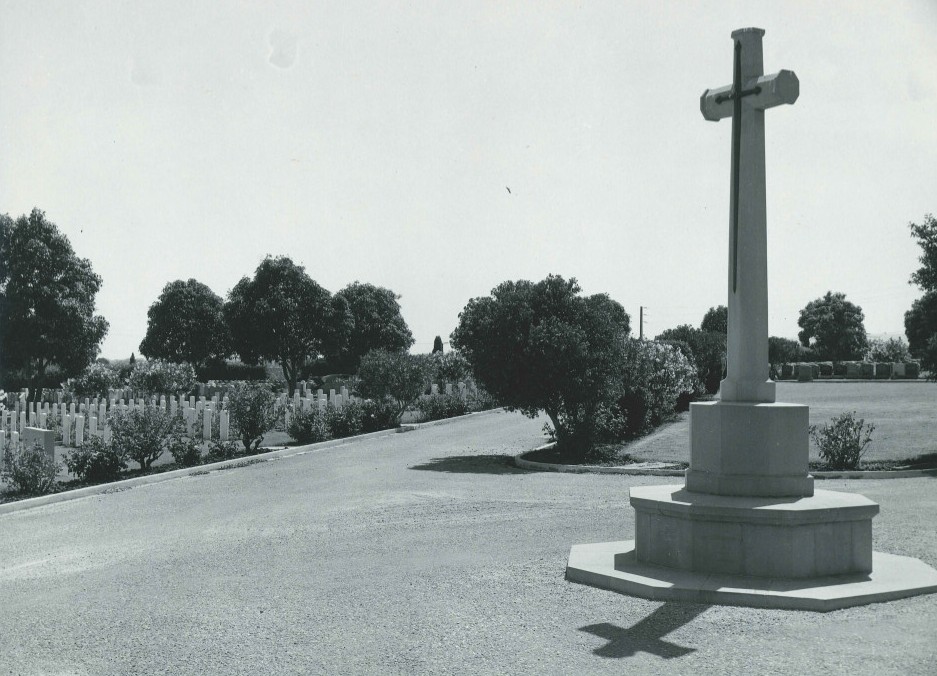
The Cross of Sacrifice, the first erected in the Southern Hemisphere in response to WWII, is unveiled on 5 September.
1955
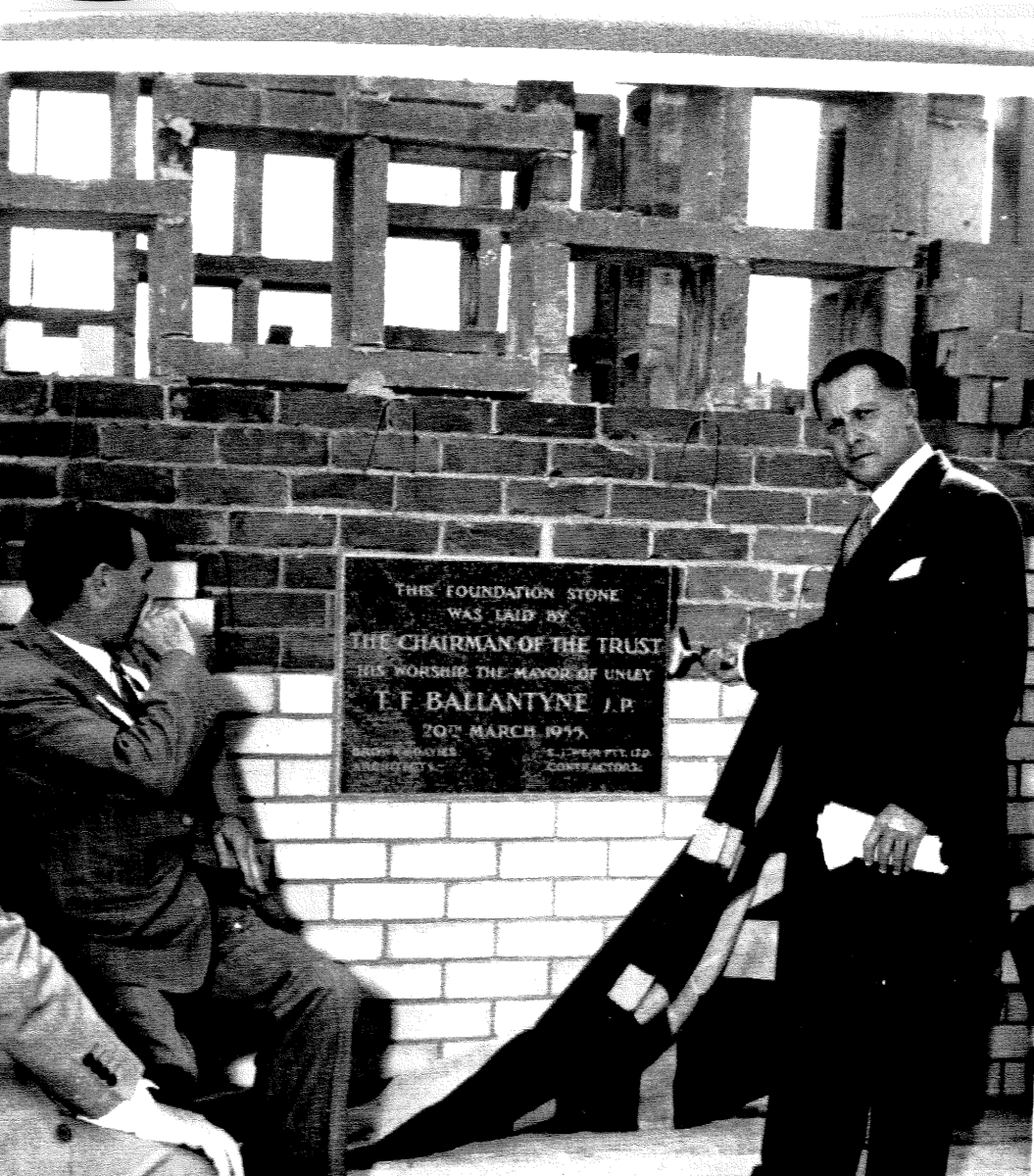
The foundation stone is laid for the Norman Memorial Chapel and crematorium on 20 March. The building is officially opened by Premier Tom Playford on 11 December, and cremations commence the next day.
1956
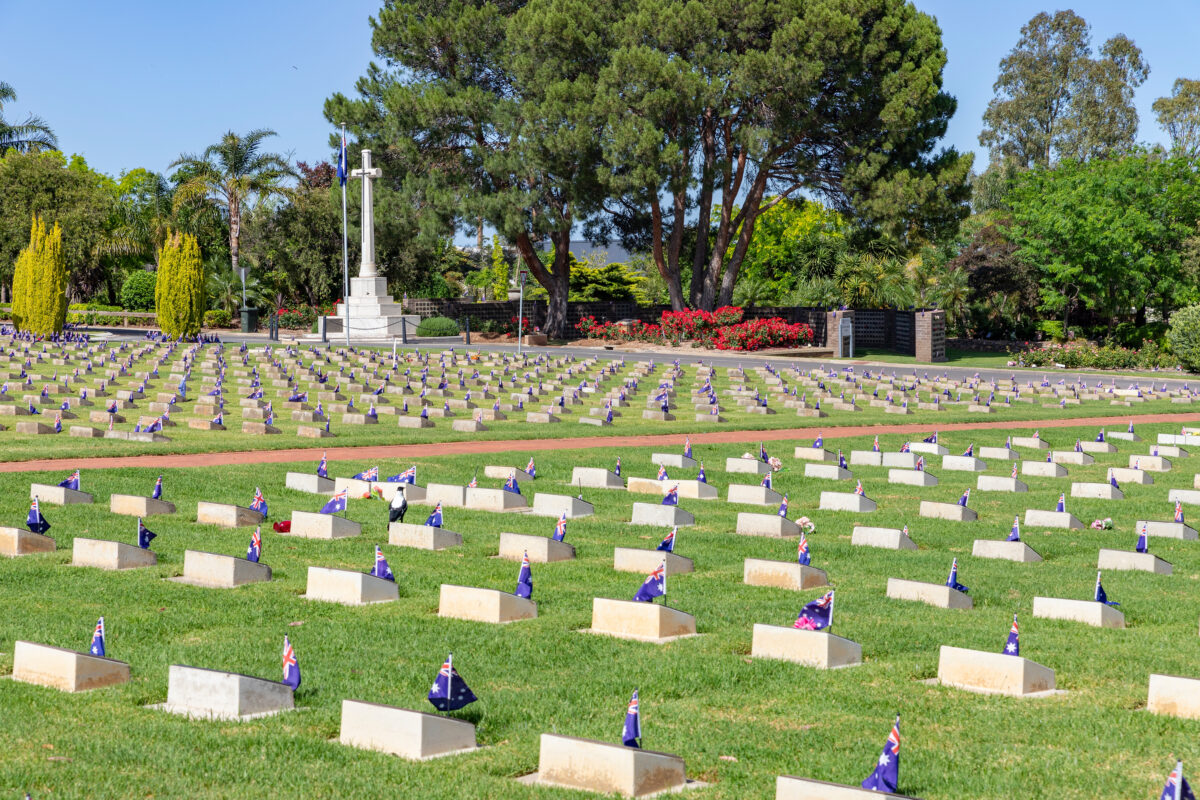
Derrick Gardens and the RSL Walls for returned service personnel are established.
1956
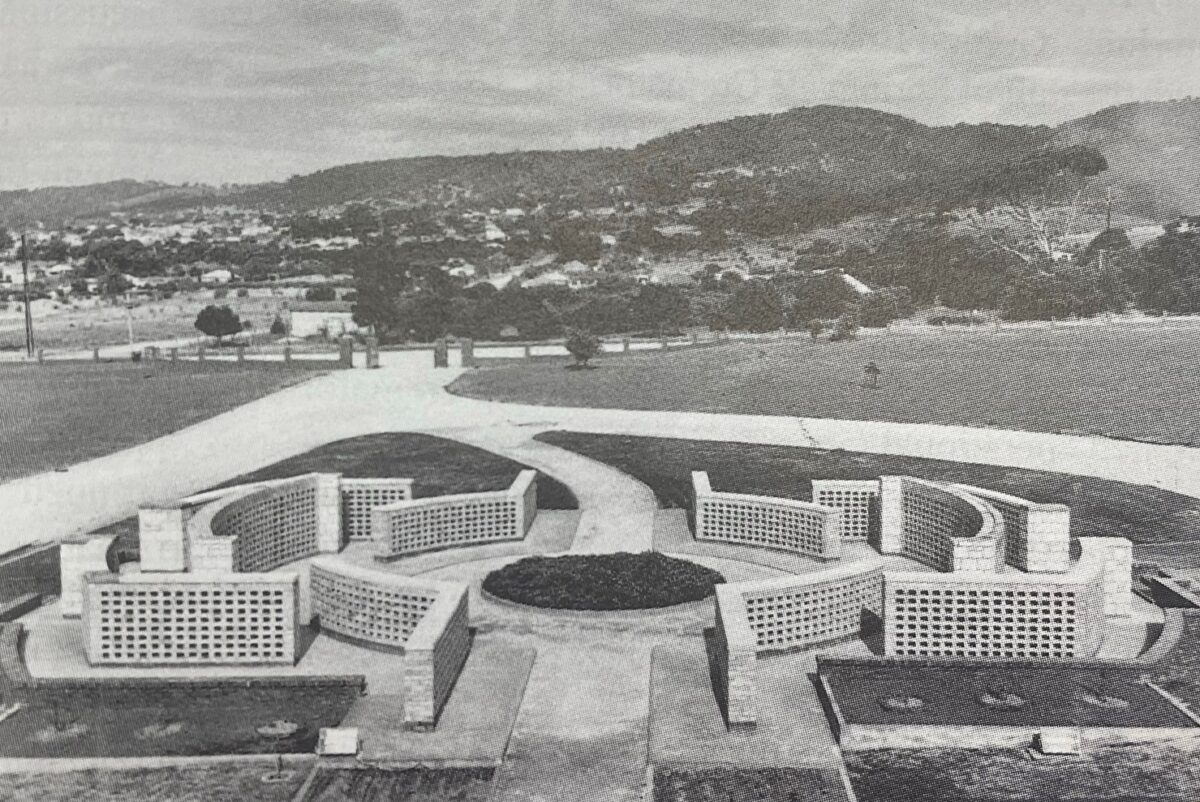
The Columbarium Walls, the Park’s first memorial walls for cremated remains, are also developed.
1959
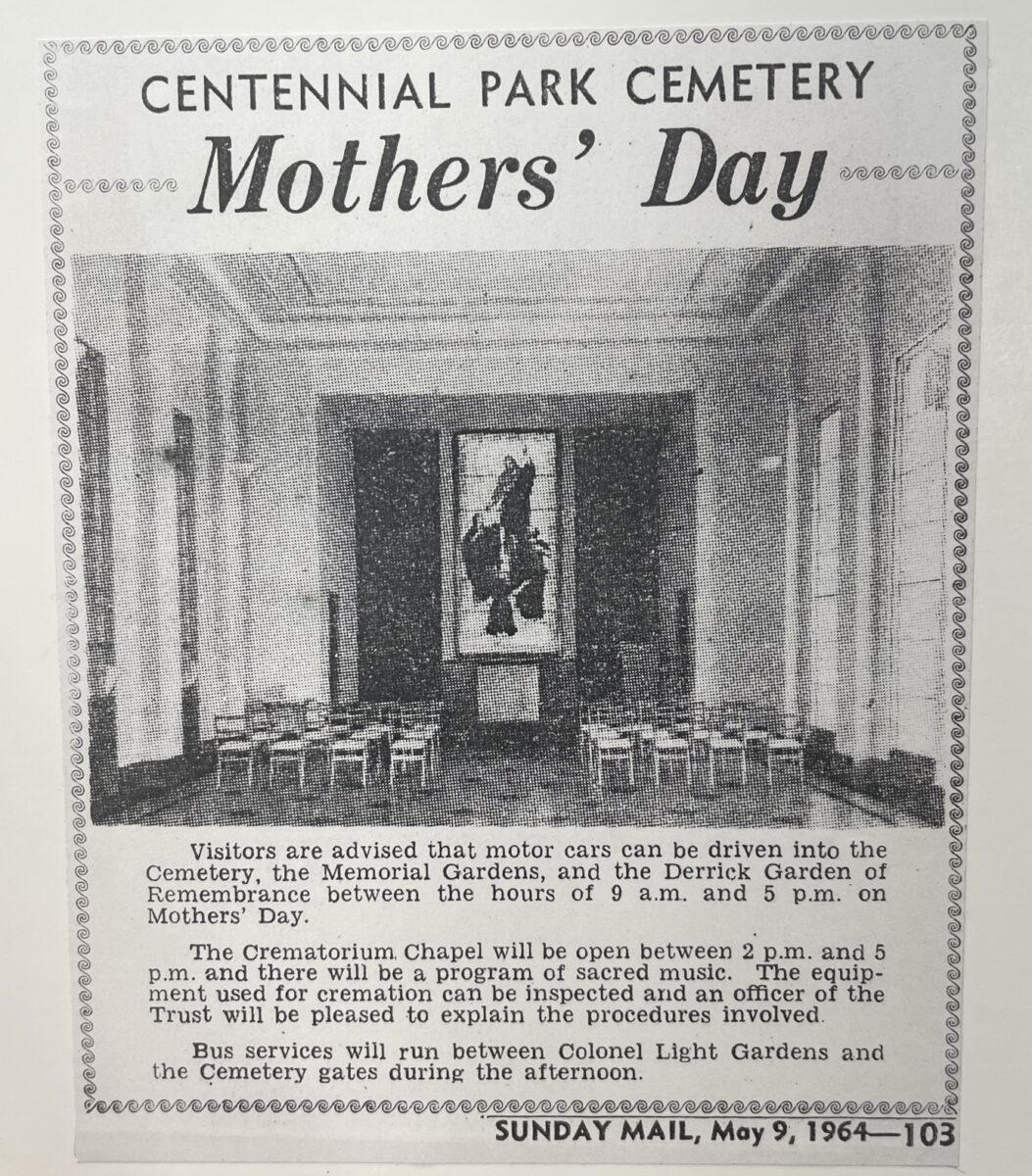
The first public open day is held on 10 May, offering insight into cemetery operations and helping the community better understand cremation services.
Expansion & Development (1960s–1990s)
1965
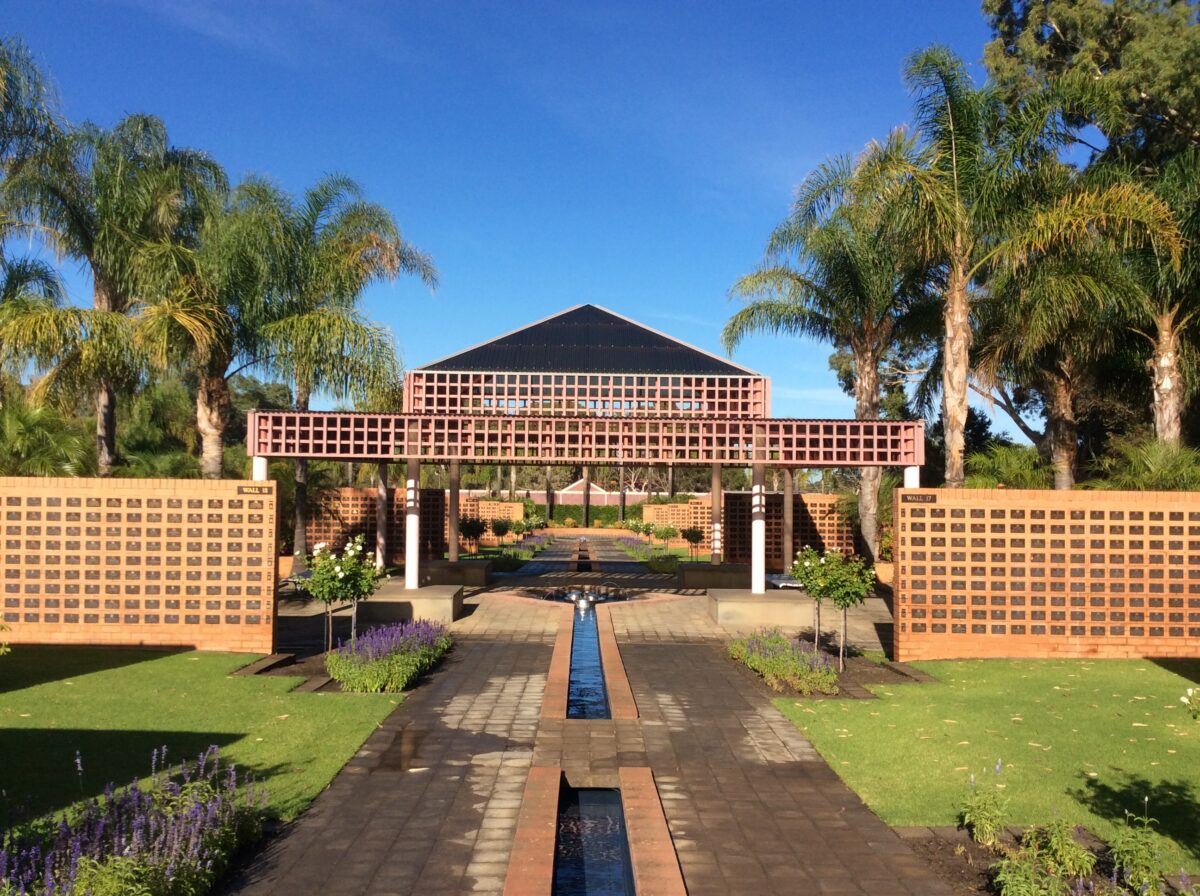
The Garden of Remembrance is created by the Office of Australian War Graves to honour service personnel whose remains rest elsewhere. It is relocated to its current site in 1988.
1966
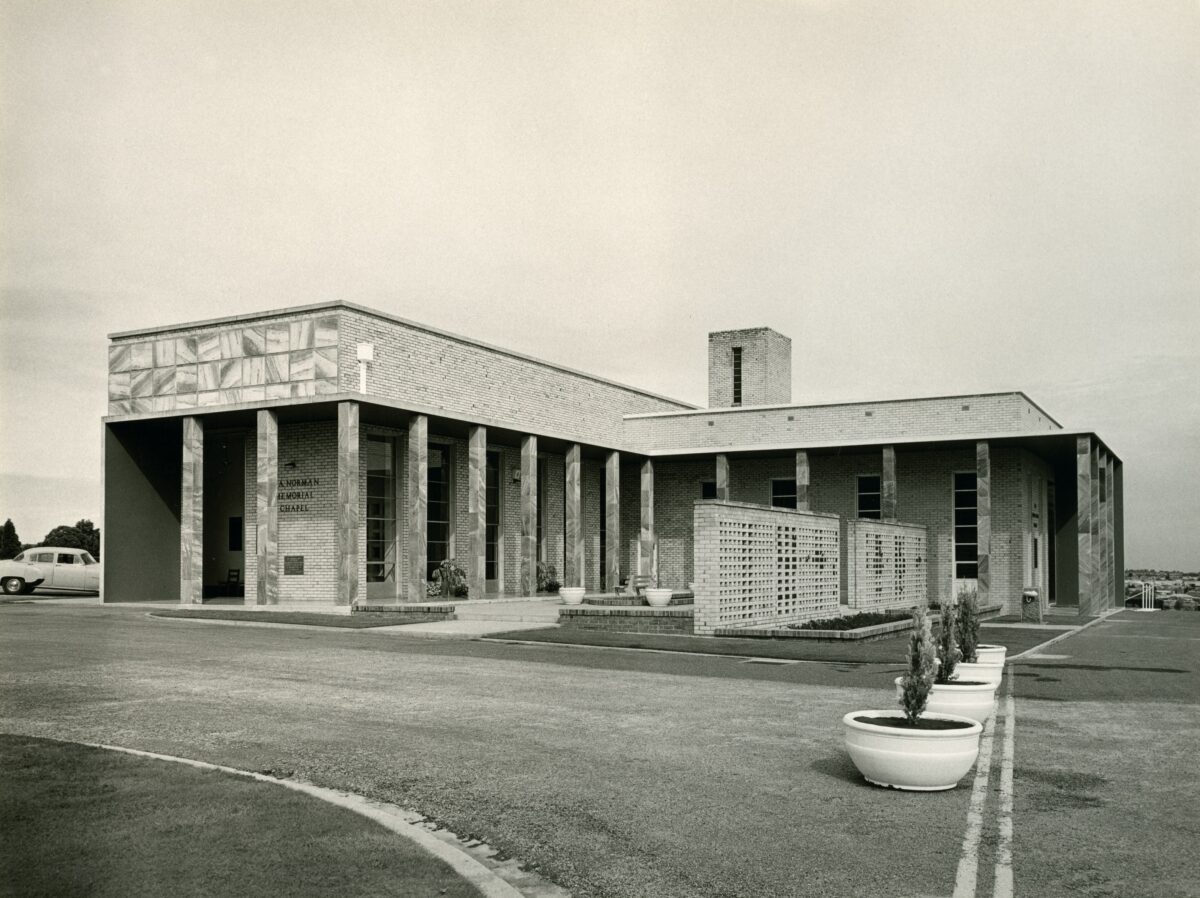
The Sir John McLeay Memorial Chapel opens on 26 June, expanding the existing chapel and crematorium facilities.
1970s
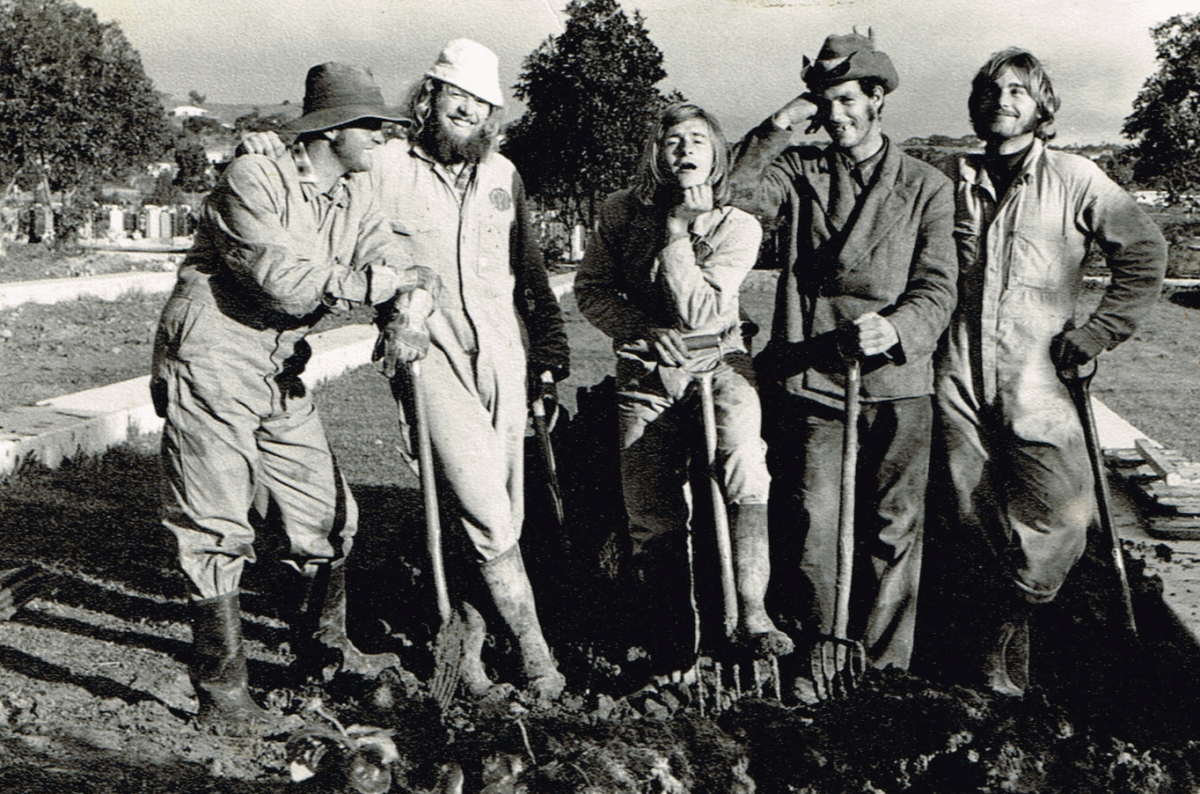
Cremations surpass burials. The Memorial Gardens and West Rose Garden are developed, and Charles Newman Garden begins to take shape.
1983
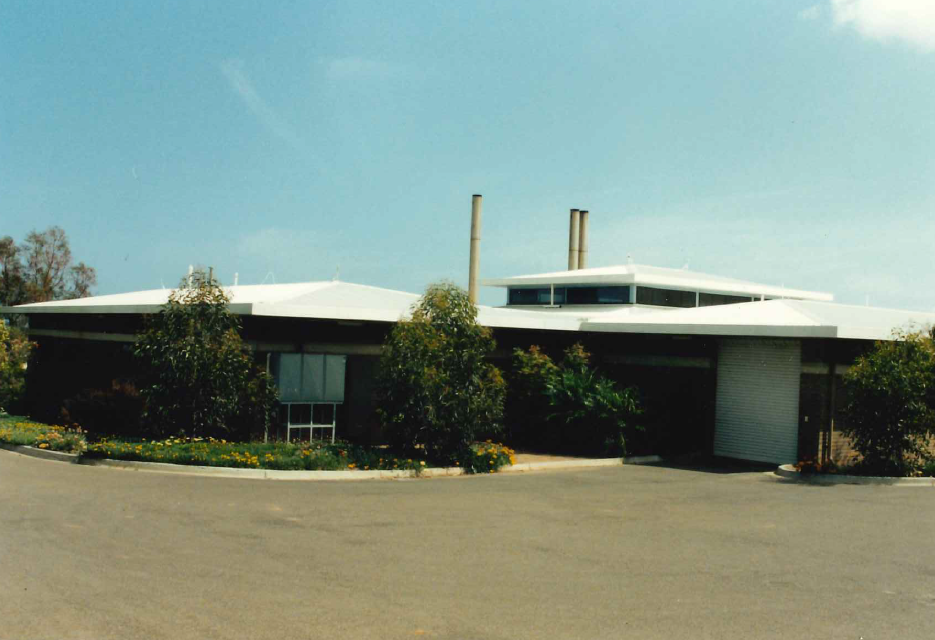
The new crematorium building opens on 17 January at a separate location from the original chapels.
1986
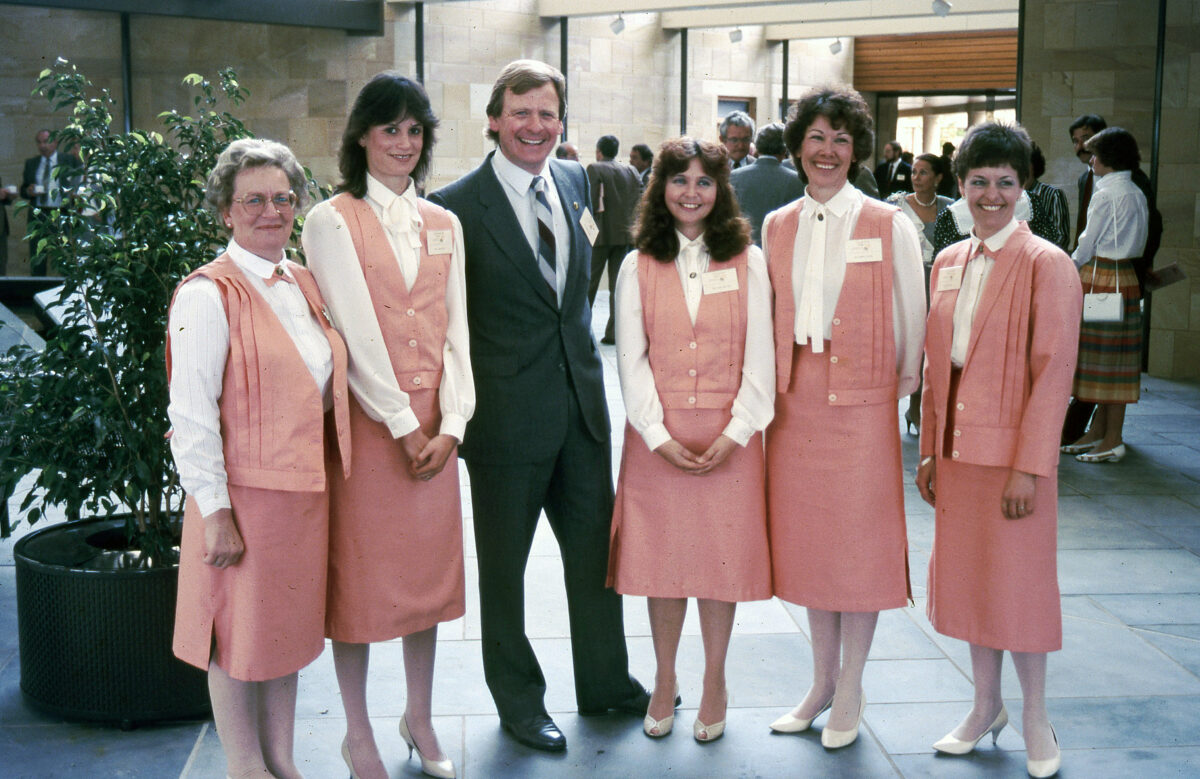
The Jubilee Complex opens on 16 November, offering three service spaces and improved pedestrian flow to meet growing community needs.
1991
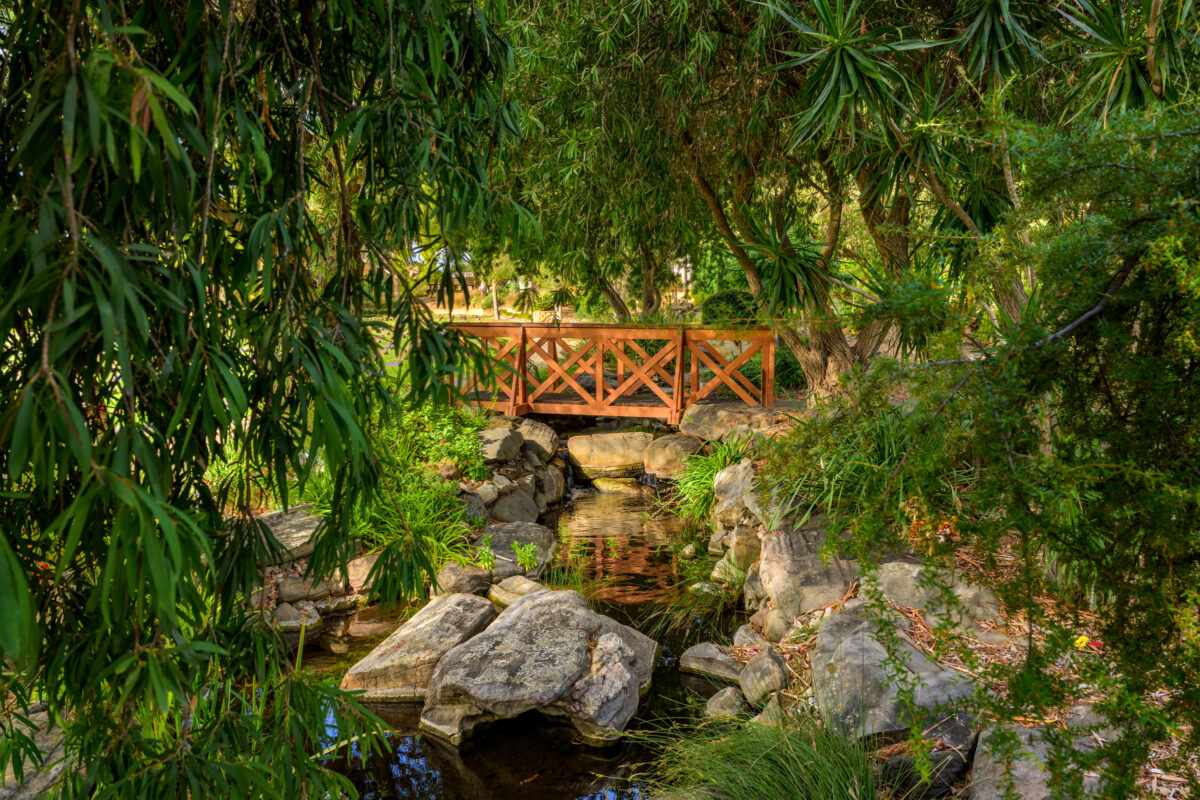
Springbank Creek Memorial Area is established, named after the original suburb where Centennial Park was developed.
1992
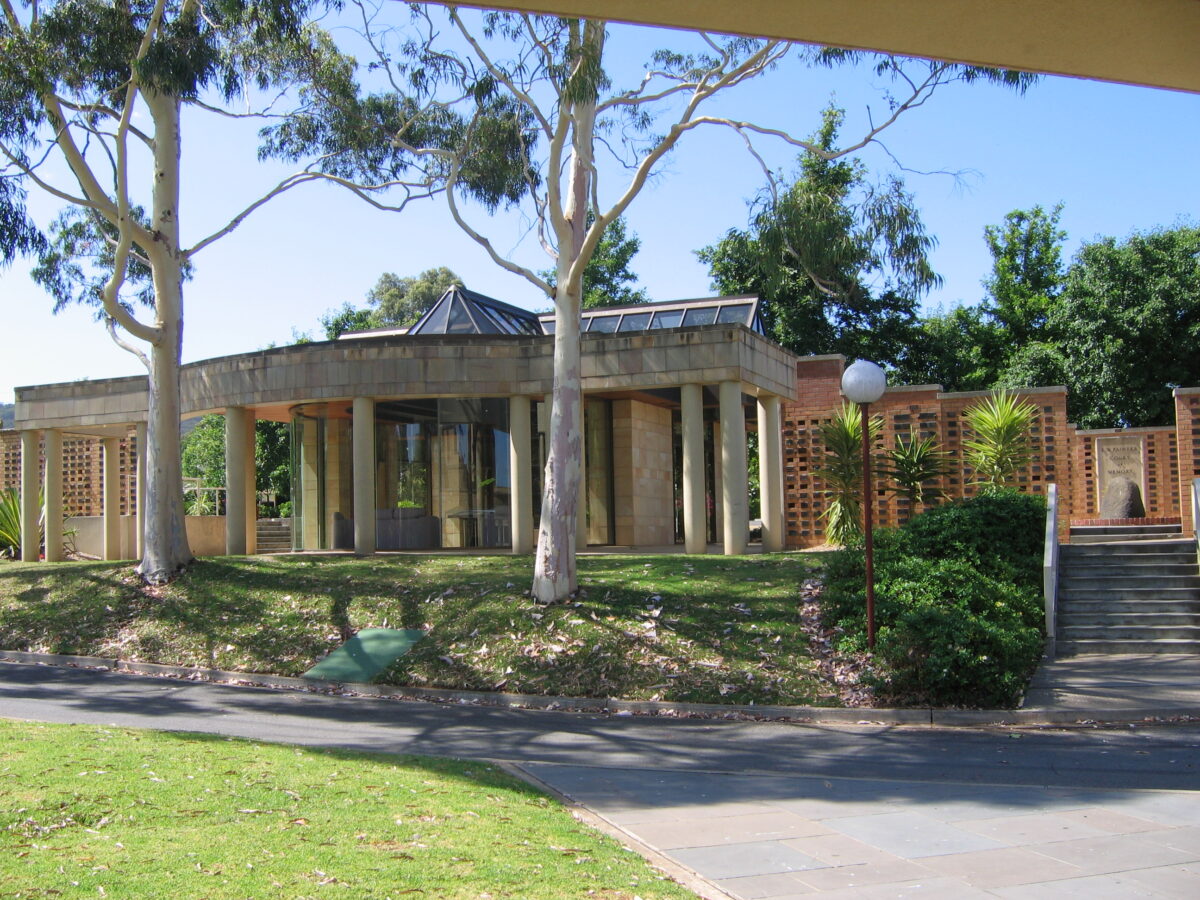
The Norman McLeay Building opens on the former chapel site, housing urns and the Book of Remembrance.
1996
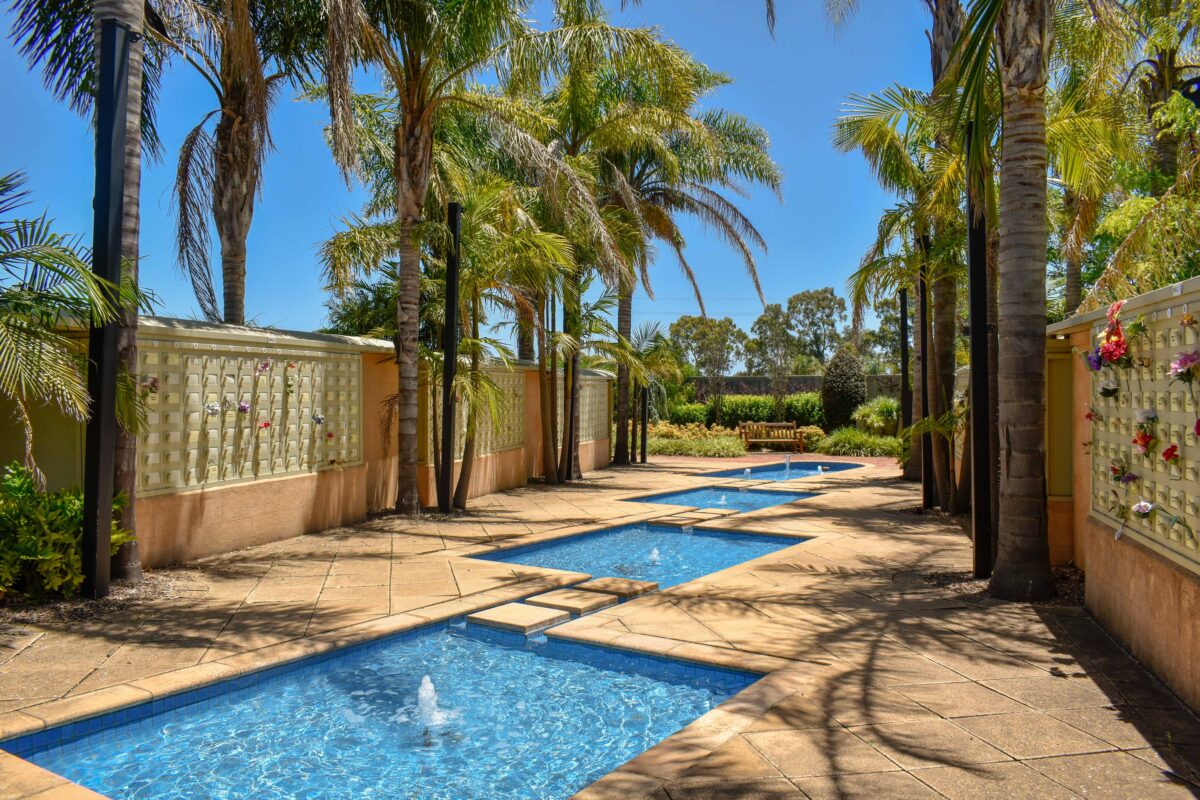
Contemplation Court is introduced as a temporary ashes memorial area, unique within South Australia.
Innovation & Environmental Leadership (2000s–Present)
2005
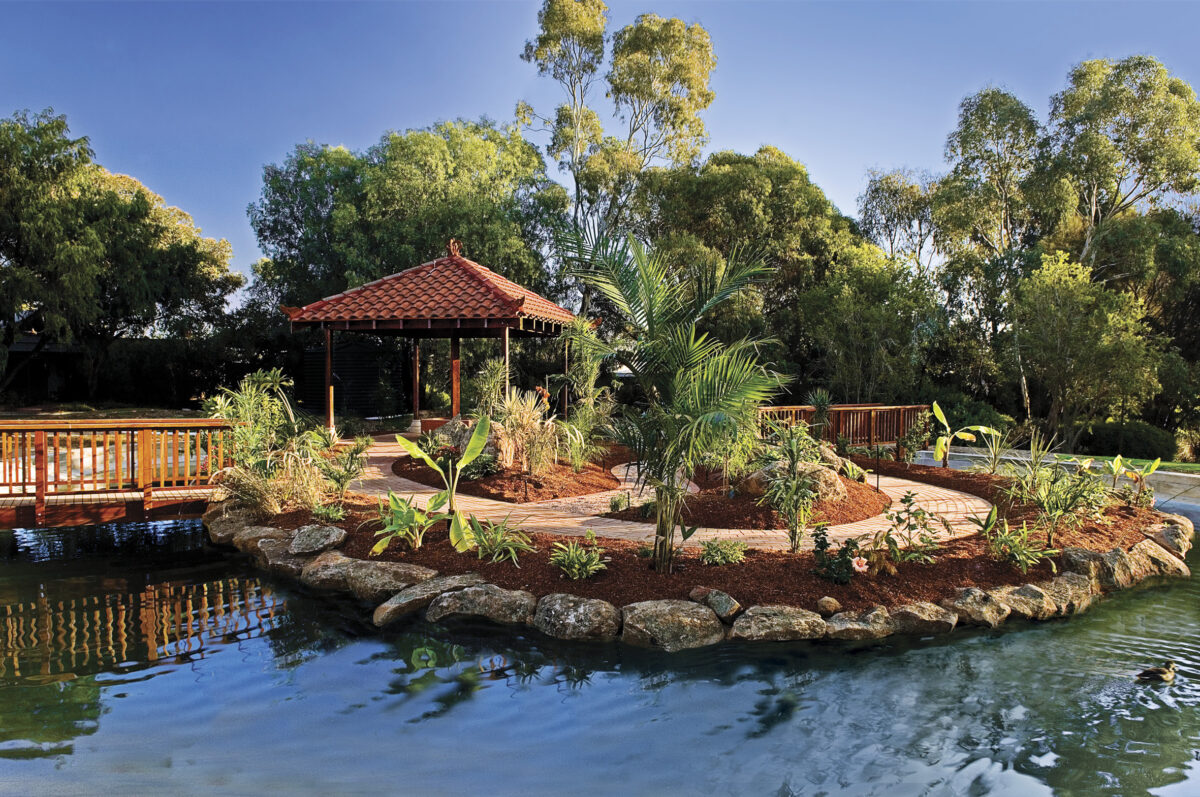
Springbank Island, South Australia’s first memorial island, is established.
2012
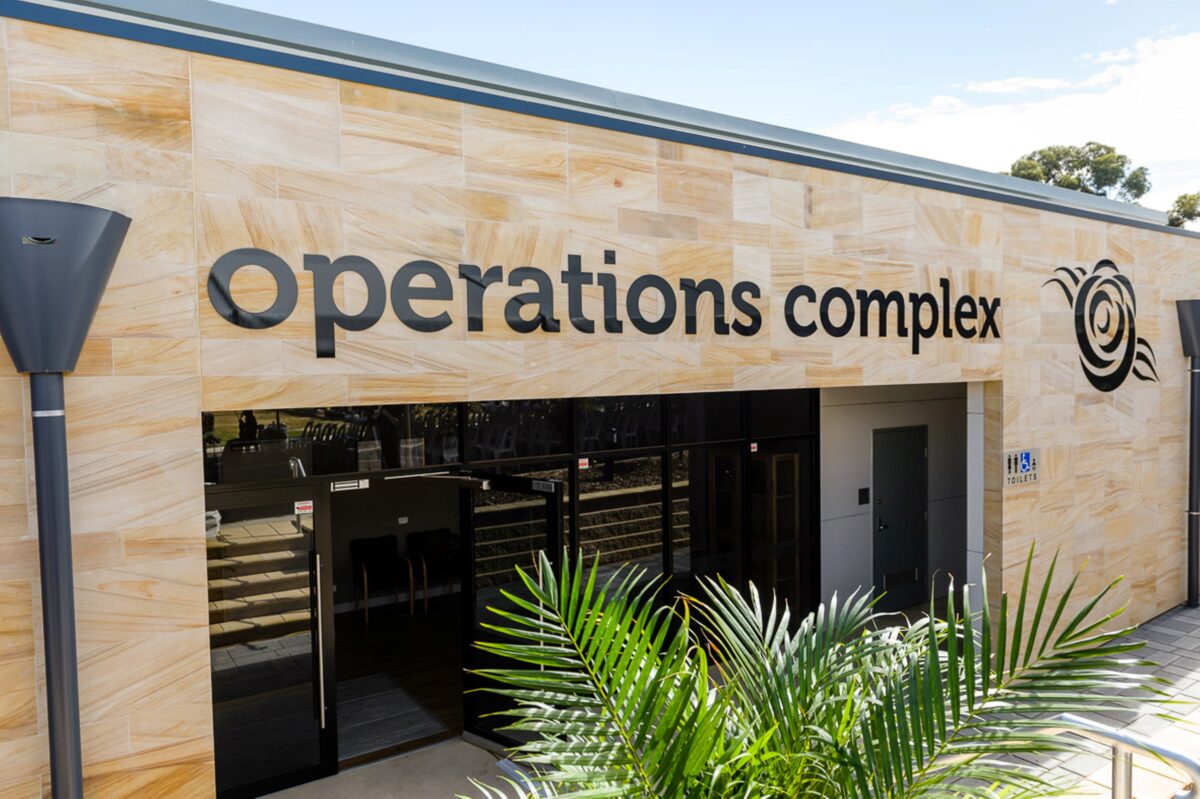
The Operations Complex is relocated closer to the crematorium, reflecting a commitment to improved environmental practices.
2018
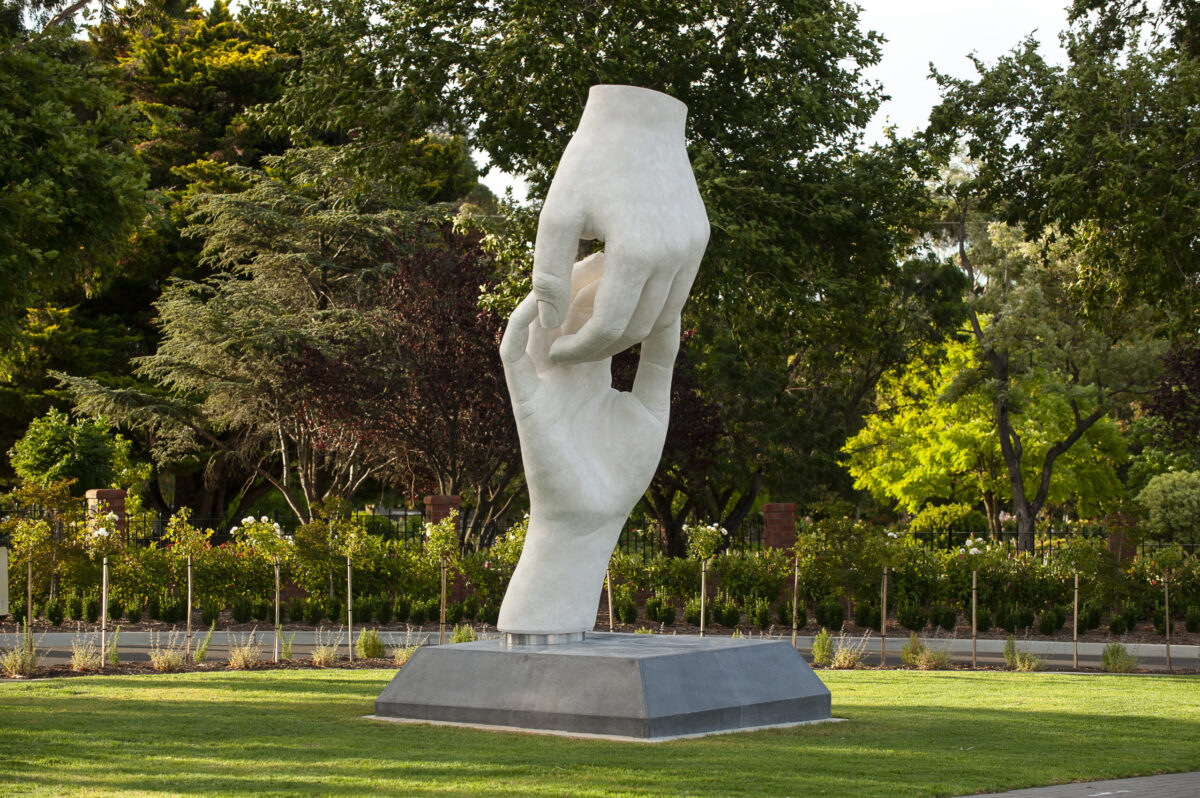
Connection by Karl Meyer is unveiled on 10 December, marking the main entrance to Centennial Park.
2021
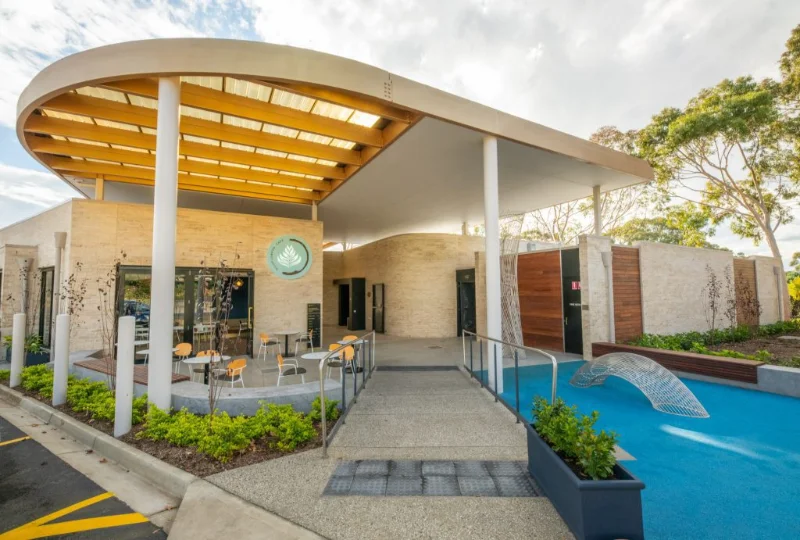
In response to public demand for greater facilities, and a first for South Australia, Wildflowers Café, Function Rooms and Gift Shop open on 29 March on the site of the Norman McLeay Building.
2024
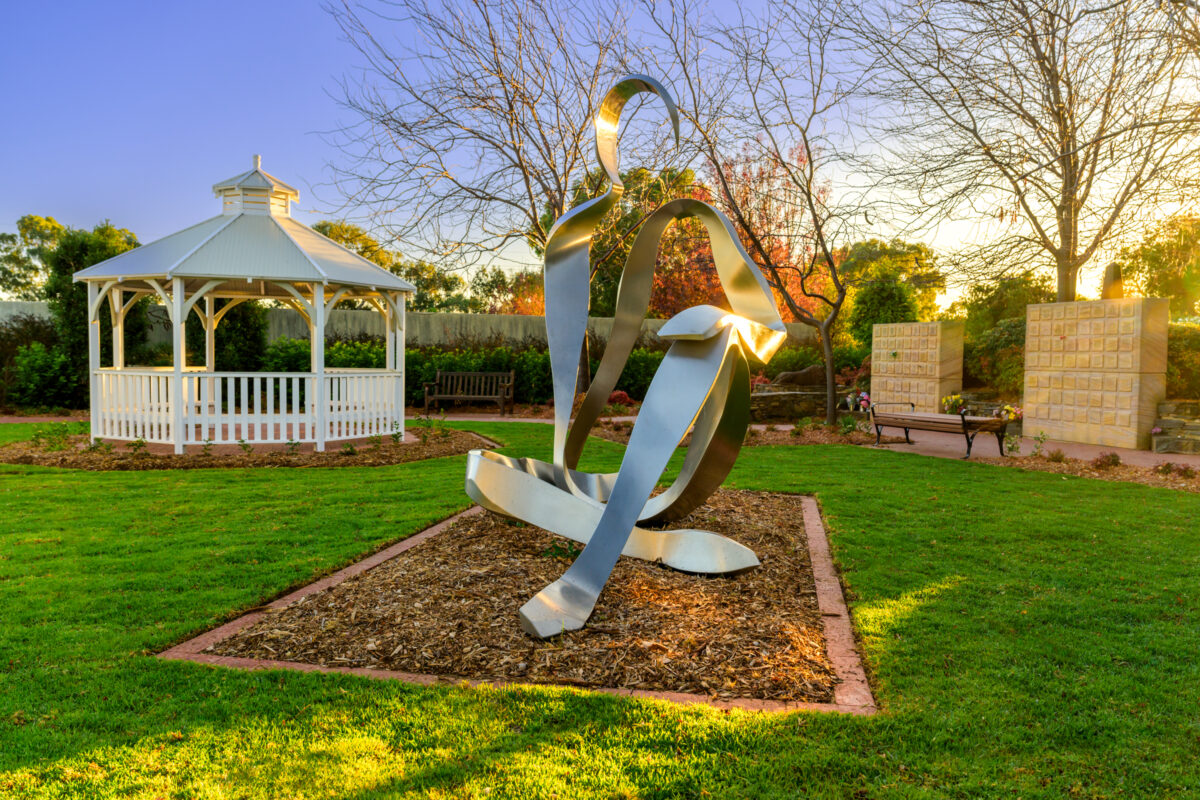
Contemplation Court is redeveloped and our Environmental Sustainability Plan 2024–2028 is launched.
2024
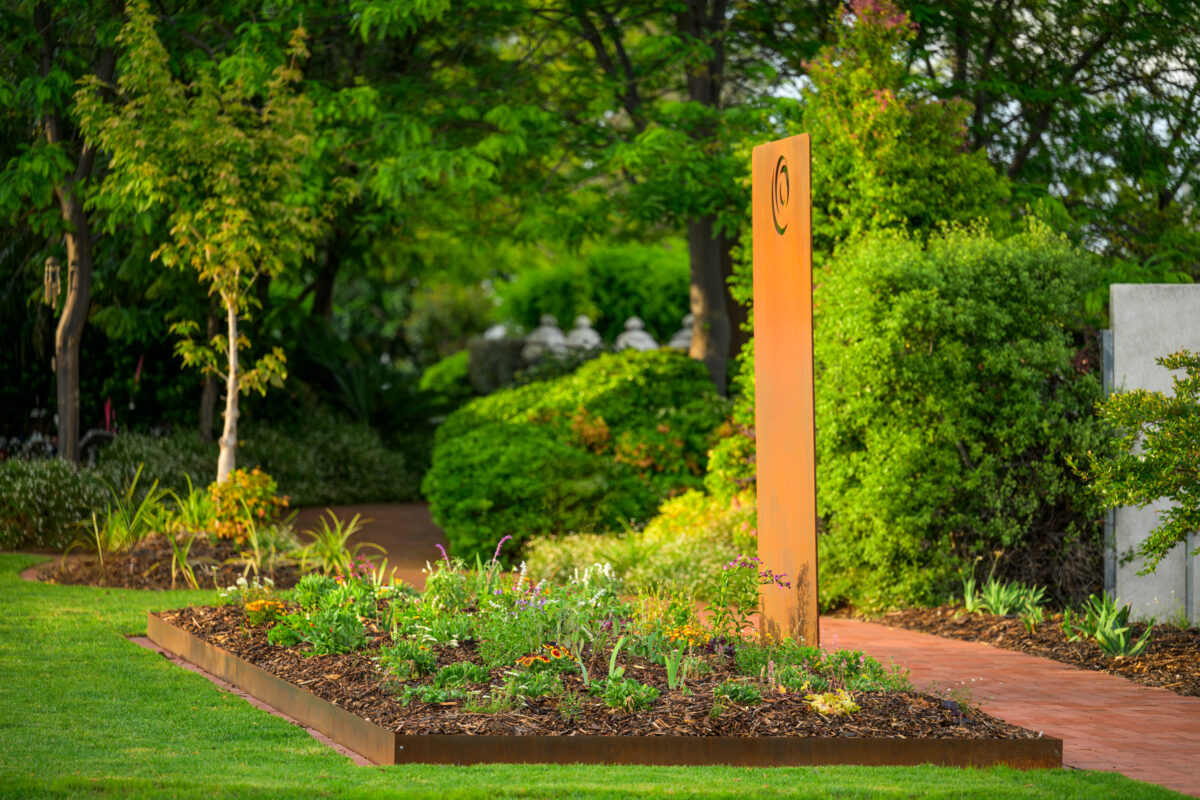
Living Legacy Forever Flowers, the state’s first sustainable ash memorial option, is introduced.
2025
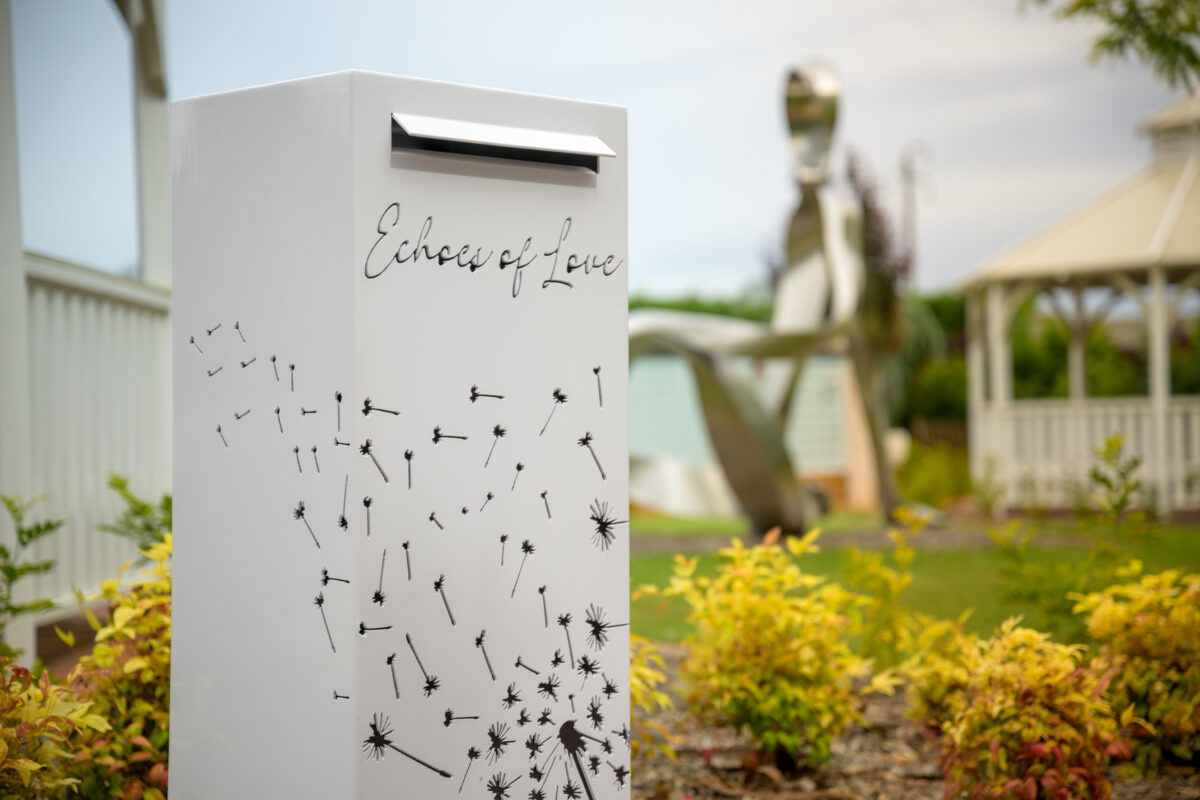
Our Echoes of Love letterbox is established in Contemplation Court, offering a new way for visitors to express ongoing remembrance.
Here for you, whenever you need us
Get in touch with us for personalised funeral planning assistance. If you prefer to visit, Centennial Park is always open for peaceful moments of remembrance.